
Intrauterine insemination
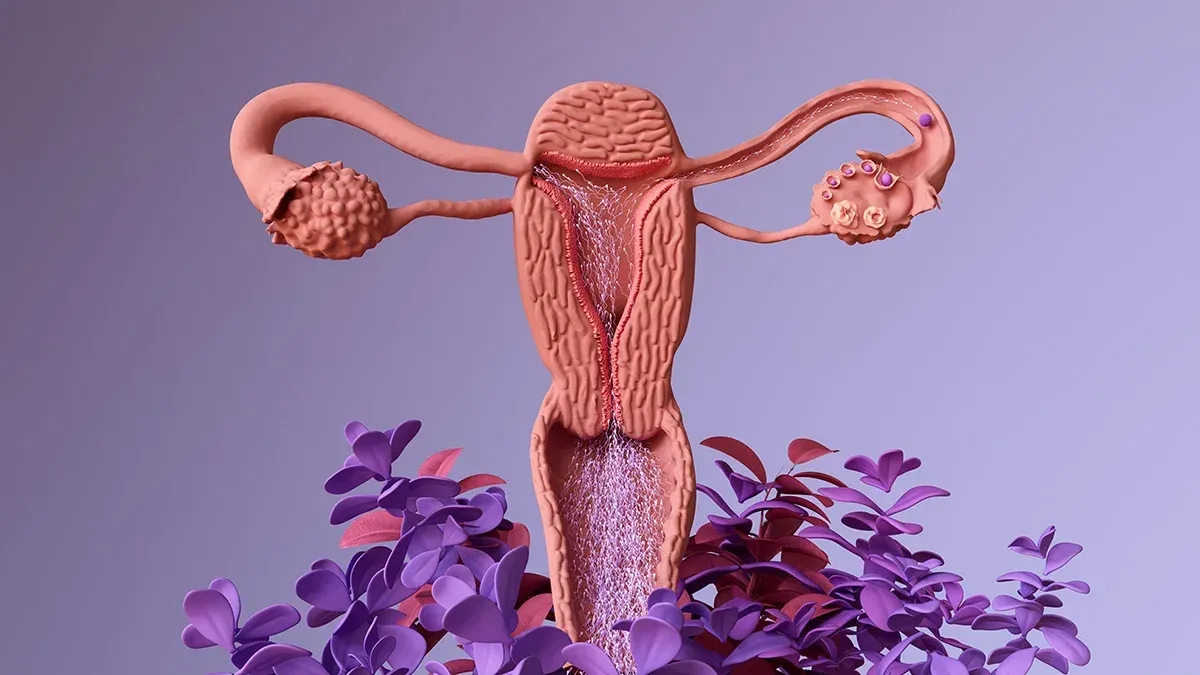
Intrauterine insemination is a low-complexity treatment: sperm prepared in the laboratory is placed directly into the uterus, during ovulation, increasing the chance of fertilization.
Intrauterine insemination is simple, quick and well tolerated — it does not require sedation. Being low-complexity, it is usually the first step when the clinical picture allows, before considering in vitro fertilization.
When it is indicated
- Mild changes in semen
- Cervical factor or difficulty with intercourse
- Female same-sex couples and solo parenthood, with a sperm bank
- Unexplained infertility
How it works
- 01
Ovulation induction
Mild medication stimulates ovulation, monitored by ultrasound.
- 02
Sperm preparation
The laboratory selects and concentrates the best-quality sperm.
- 03
Insemination
The sperm is placed into the uterus through a simple, painless procedure.
- 04
Follow-up
After about two weeks, a blood test confirms whether pregnancy has occurred.
Frequently asked questions about insemination
Does insemination hurt?
No. The procedure is similar to a gynecological exam, lasts a few minutes and requires neither sedation nor prolonged rest.
How many attempts are recommended?
In general, three to four cycles are recommended. Without success in that range, the case is usually reassessed and in vitro fertilization considered.
The laboratory phase — gamete handling, fertilization, culture and cryopreservation — is carried out by a partner laboratory, contracted separately, in accordance with the rules of the Brazilian Federal Council of Medicine.
The first conversation clears up more than months of uncertainty.
Talk to our team and understand, with no commitment, what the best next step is for you.
Human reproduction treatments
In vitro fertilization (IVF)
The most complex treatment and the one with the highest success rate in assisted reproduction.
Egg donation
IVF with donor eggs, for those who cannot use their own eggs.
Fertility preservation
Freezing eggs or sperm to preserve the chance of having children in the future.